-
Showing posts with label nutrition. Show all posts
Thursday, February 23, 2012
Monday, March 15, 2010
Floccing Shit
Madu Bigmeat: So things are going fairly well with my newest round of latrines and soak pits… But I dunno, James Brown II… should I be focusing the whole time on wastewater management? Should I return to teaching people how to treat their well water?
James Brown IV: Sorry man, I think you’ve got us cats confused!!! I’m the fourth James Brown you’ve had hanging round this gwa!
Madu: James Brown IV?!?!?! Damn, son. I’ve been going through you cats so fast that I’ve lost track.
James Brown IV: Whatchoo talkin’ bout, Madu?
Snoop Dogg: I think you should break him the bad news, being his master and all.
Madu: You see, James Brown IV, due to the low content of vitamins and minerals in a diet of millet goop and peanut oil, the townsfolk of Sanadougou are suffering from acute malnutrition – especially the children. One of the most important things which Malians are lacking from their diet in sufficient quantities is protein. And so, James Brown IV, it is quite common for my malnourished neighbors to hunt other people’s cats when they wander around at night– hence the suffix after your last name.
James Brown IV: But… but… why?!?! Why would anyone want to eat a cute little kitten like me? There’s hardly any meat on these bones!!!
Madu: You’re right, but the fact that there is meat on those bones – and not enough of it on the bones of all the children here in Mali. That’s why you’re inevitably going to get eaten.
James Brown IV: Inevitably?!?!?!
Mdu: Yeah, the fact of the matter is that all animals raised in this society – whether they be cows, goats, chickens, dogs or cats – are eventually destined for the food bowl. It’s been hard, but I’ve come to terms with this. And I’ve come to accept that both of you will also one day be eaten by my malnourished neighbors… though in the meantime, I’m going to give you all the tender love and care that I can.
Snoop: That’s the truth, fo’ sure!
James Brown IV: If only it didn’t have to be like this!!! If only!!!
BrzzzzzzzzZZZZZZZZZZZZZZZZZAAAAAAAAAAPPPPPPPP!!!!!!!!!!!
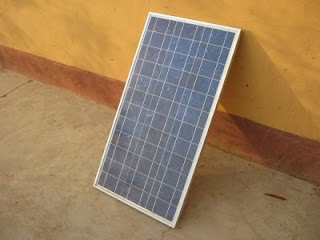
Al Gore: There is in fact logic to that assertion, for it in indeed possible to address the root cause of this pet-eating behavior amongst the local populace.
Madu: Al Gore!!!! What in tarnation are you doing here?!?!?! There is no way that your academic brainpower can solve this problem.
Al: Your claim is lacking in foundation, for there exist sound methods of improving the nutritional content of the typical Malian diet and therefore obviating the demand for feline and canine proteins.
Madu: Shove it up your converter box, Al. There simply isn’t enough water to grow any food here in substantial quantities beyond millet and peanuts. And if anyone gets their hands on any money, they’re going to blow it on tea and sugar and toys. Unless you’ve got a solution that requires no water and no money, then it’s not going to fly.
Al: There are in fact a multitude of species of plants edible to humans and possessing a plethora of nutritious elements which can be grown in environments with little to no water. For example, one such species, among the most promising of crops to be disseminated for the objective of improving nutrition in the developing world, is the Moringa oleifera – a tree native to the foothills of the Indian Himalayas commonly known as the “moringa”.
For millennia Indians have eaten the pods of the Moringa – which they call “saragwa” and is consumed fried and in sanbars and curries. In addition, the moringa leaves can be cooked like spinach and are even more nutritious, containing significant amounts of Vitamin A, Vitamin C, protein, calcium, iron, phosphorus and potassium. If each Malian child were to drink a serving of moringa leaves crushed into powder and stirred with water into a beverage – perhaps with a little sugar or lemon for taste – it would be the nutritional equivalent to eating an orange, a carrot, a banana and drinking a glass of milk.
James Brown IV: So you’re saying that if these kids eat these leaves, they’ll have their protein and won’t want to eat my cute little self?
Al: Well, there is no certainty that Moringa oleifera alone can serve as a causal factor in such a momentous behavioral change; however, if this species could be cultivated to such an extent that the present nutritional deficiencies in Malian culture were abated then it is reasonable to surmise that the demand for feline protein would reduce significantly.
Snoop: And dogs?
Al: Yes, improved nutrition would probably reduce the demand for canine protein as well.
Snoop: Y’know, I think this solar panel pinhead over here’s got some sense in him. Everyone here eats their toh with baobab leaves in the sauce – adding moringa leaves wouldn’t be such a big change in their habits!
Madu: Okay, so this tree’s nutritious – I get it. But why should people farm these trees to eat the little leaves and pods when they could grow oranges and bananas and carrots instead?
Al: Unlike all of the crops which you just mentioned, moringa is a relatively easy and cheap crop to cultivate. After sugarcane, oranges, bananas and carrots are amongst the most water-intensive crops that are grown in this country – and in addition to intensive irrigation during the dry months and even during rainy season, they require much intensive fertilization and maintenance. Oranges and especially bananas do not start bear fruit until many years have passed since planting.
Alternatively, moringa requires little to no irrigation to be a productive crop. Of course, irrigation is linked to extremely high rates of growth and the bearing of pods and leaves, but Moringa will sprout pods and leaves even with no precipitation or irrigation. If it receives no moisture at all for extremely lengthy periods of time it will shed its leaves and go dormant, feigning the appearance of death, but in fact it will remain alive to blossom upon the receipt of the next rainfall.
Madu: Is that it?
Al: No, Moringa oleifera also serves additional benefits to most that lie adjacent to it – with the notable exception of corn. Moringa is a nitrogen-fixing legume – which means that it fosters cultures of bacteria on and around its roots which take nitrogen and convert it into ammonia, enriching the nutritional content of the soil and thereby improving the yields of adjacent and/or subsequent garden crops.
Madu: Alright, fine. Now that’s it with the benefits of moringa – right?
Al: Your assumption is erroneous, for Moringa oleifera can also serve to assist in the treatment of water for drinking purposes and even in wastewater treatment, because the seeds of the plant contain a cation which is polarized and can therefore assist in flocculation.
Snoop: Fuck you too, man.
Al: You see, if particles of polluting matter are suspended in a solution, it is often because they are of the same usually negative charge and hence do not aggregate together – or rather, they do not “floc”. But certain polarized substances can catalyze these colloids to floc into the noun form – a floc – and accumulate sufficient weight to sink down to the bottom.

Moringa seeds contain so many of these aforementioned cations that if they are crushed into a fine powder with a mortar and pestle, they can serve as practical flocculants for use even in a non-monetary economy or those where commercial flocculants such as aluminum chloride or polyaluminum sulfate are otherwise unavailable on the market.

Madu: So what you’re saying is, if there’s little bitty poo particles in someone’s well, if you add moringa seeds then they’re going to form big pieces of poo and settle on the bottom of the well? How is moving the poo from the top of the well to the bottom of the well going to make it more sanitary?
Al: Even if the entire body of water is not potable, since the vast majority off well water is taken from the top of the well, or if someone fills a cup from the top of the water jug it is almost certainly from the top of the water jug, the process of flocculation per se will reduce the total quantity of fecal particles consumed by that individual.
Madu: So I should just quit it with the chlorine treatment and just start filling my water filter with moringa seed powder?
Al: If you possess the means, it would be advisable to do both, for flocculation in fact expedites chlorination and renders it more effective overall. Sodium hypochlorite – bleach – purifies water only by killing and removing pathogens such as bacteria and amoebas; however, it is limited by the overall mass of pollutants suspended in the body of water at hand. If each particle of sodium hypochlorite can kill and remove exactly one unicellular pathogen, and if the number of bleach particles is greater than or equal to them number of pathogens, then chlorination is an adequate method of water purification. However, if the number of pathogens exceeds that of bleach particles, then the population of pathogens can be lessened but not annihilated and can even grow resistant over time. Flocculation increases the efficacy of chlorination by floccing the pathogens together into a lesser number of larger, heavier particles.

Madu: So this moringa tree thing, all I have to do is plant the seed, maybe I should water it a little if I’d like but I don’t really have to, and the tree that grows out of it improves nutrition, it improves the yields of all of the other plants in its garden, and it can even make drinking water treatment more effective. Is there anything that this tree cannot do?
Al: To my knowledge, it remains unable to encourage Malians to wash their hands before eating and sharing their fecal matter through the common food bowl.
Monday, February 23, 2009
It All Looks the Same on the Way Out
My loyal readers continue to complain that this blog wallows in the muck of human excrement and should devote more attention to the vibrant, joyous aspects of Malian culture. I reiterate that the Republic of Mali and the Village of Sanadougou have specifically requested my presence as a result of my expertise in water-poop management infrastructure development, and thus my thoughts linger in the bowels of the imagination these days. But in order to throw a bone to hose snobs of haut culture, I devote this post to the subject of Malian cuisine before it is digested and evacuated.
In order to understand Malian cooking, the first given which one must grasp is that the vast majority of Malian agriculture is centered on the cultivation of millet. Despite its coarse kernels and bitter taste, millet is a hardy crop which can produce dependable yields without irrigation, its cultivation requires little to no capital investment, and it provides sufficient calories in order to sustain human life. In a society in which very few can afford to purchase food in a monetary economy and variety is a luxury, the utilitarian attributes of millet cultivation make it the primary staple of the Malian diet. Since most millet farmers have many children and struggle to adequately feed them all, almost all millet is consumed in the farming communities in which it is grown and comparatively little surplus makes it to the cities – millet is the marker of subsistence agriculture.
For lunch and dinner, day in and day out from the day they are old enough to eat solid foods until the day they die, most Malians eat toh, a dish made from millet kernels pounded into powder, mixed with water and then baked into a grey gelatinous goop. Toh is rather bland on its own, so Malians dip it in a concoction of dried baobab tree leaves, peanut oil and on special occasions some little salty dried bottom-feeder fish which combined form a sticky sauce which has the consistency of mucous and tastes a lot like what would expect leaves, oil and bottom-feeder fish to taste like. For diplomacy’s sake I will refrain from offering my opinion of Mali’s staple dish, but I can boast that I have lost 25 pounds since arriving in country.
Coming in a distant second, the next most important crop in Mali is rice. The cultivation of rice requires a generous supply of water – when you think of rice farming you might think of Vietnamese peasants wading in inundated paddies – which is why it is really limited to those fertile lands directly adjacent to the Niger River, its tributaries and irrigation channels. Due to its abundance of vitamins and minerals, its wholesome taste and versatility, rice is in every way a superior good to millet. Hence rice is a much more lucrative commodity to be sold at market, and the frequency of rice consumption is a fairly accurate indicator of a person’s wealth in this country. Only in Mali’s cities which are all located along rivers does the population at large consume more rice than millet. In rural villages rice is consumed only by the elite few who can grow it or pay for food; in my villagerice can only be grown in the aqueous and therefore wealthiest Filablena neighborhood.
Every other food item found in Mali is really considered a nafen – a “sauce thing” to put on top of either millet or rice – though if a Malian can afford to eat vegetables or meat on top of the cereal staple then they are more than likely eating rice. For most millet farming peasants, rice itself is a treat and only on special occasions like the end of Ramadan, Eid al-Adha or weddings will a typical Malian family have a meal of only vegetables and meat. Any solid nafen is thoroughly overcooked until it becomes a semisolid absent any resemblance to its original shape and composition – which is a shame due to the many nutrients which are lost. Malians like their food soft and mushy. However, there is good reason for the overcooking of all nafenw which are placed on top of the rice; due to the lack of refrigeration and completely unsanitary butcheries eating raw meat is a fool’s errand, and since very few people over 50 have a whole lot of teeth crunchy vegetables are not an option.
Thankfully, my village of Sanadougou is located on the southern-most edge of Ségou province, which means that it is a relatively fertile region where even if the bulk of my neighbors’ caloric intake comes from toh, there is also a lot of rice, corn, fruits and vegetables grown here. My host family is relatively well-off according to Malian standards – the father Karitie Sanogo is the director of the Commune’s school system, their three sons are all in private lycée or medical school – which means that they eat a lot of rice and they can afford to put vegetables and even meat in their sauce just about every day. When Durcas Dembele is not busy campaigning for Mayor she cooks sweet rice siri for breakfast, and usually rice with peanut butter sauce for lunch and dinner. About once a week she will make a meal of beans, sweet potatoes, yams or – something radical in this culture – a salad. I emphasize that my host family is the most Western family in the village.
Don’t think that I’m missing out on the authentic Malian experience – I eat everything with my hands out of the communal food bowl placed on the ground where I have to fend from ravenous dogs, cats and chickens. And I am served toh on a regular basis – I usually feign a little nibble to humor my host family and then realize “oh look at the time… I told Daoudaou that I’d measure his well ten minutes ago!” and run back to my kitchen where I have a constant stash of sweet potatoes and spaghetti packets waiting for such occasions.
The agreement I worked out with my host family is that I am welcome to eat three square meals a day and in exchange each week I fill my backpack with all the vegetables I can find at market to raise their level of actually well-balanced nutritious meals. But even with my supplemental vegetables and the fact that Durcas is hands down the best cuisinère in town, my body has a hard time stomaching straight glucose on a constant basis. There is a good reason why Peace Corps Volunteers in the Health Education sector often focus on teaching mothers about nutrition, and our medical officers advise us to cook at least one meal for ourselves every day: the typical Malian diet which consists almost entirely of carbohydrates simply is not healthy. To eat millet or rice three times a day is only slightly more wholesome than three square meals of pixie sticks.
Not that I’m a historical materialist or anything, but I trace Malian malnutrition as with just about every other problem which exists in this country back to the economics of subsistence agriculture. Especially in regions like southern Ségou province with its high water table, even during the months from October through April when there is zero precipitation people can still grow fruits and vegetables in their gardens with well water – well-watered gardening constitutes just about the entirety of food production between the months of October and April. In my village gardeners grow onions, garlic, potatoes, sweet potatoes, cucumbers, okra, lettuce, tomatoes, cabbage, manioc, this eggplant-like thing called ncoyo, squash, peppers, hot peppers, watermelons, oranges, lemons, papayas, bananas, mangoes, ginger, mint and tamarind.
If each farmer and his family ate everything they produced, one could theoretically have a sufficient intake of vitamins and minerals to supplement the empty calories of toh; however, there is this thing called “money”. In this subsistence agriculture economy absent anything resembling life insurance or pensions, a man breaks his back working in the fields and eats what one grows until Allah willing they become an old patriarch with so many children and grandchildren and great-grandchildren working in the fields that they can sit back, drink tea and be waited upon by their many offspring. Out of his rational self-interest to ensure and maximize his consumption of food later in life, a man in Mali has every interest in having as many children as possible. Kids need a certain number of calories in order to subsist, and from the perspective of the rationally self-interested patriarch it makes little economic sense to give fruits and vegetables to children to eat when those garden products could be sold at market for money to buy more millet to cook even more toh – thereby using garden crops cost-effectively in order to maximize total caloric consumption. Why let your children eat a nutritious squash for a day when your children can eat millet for a week? When you put it all together, the subsistence logic of reproduction mixed with an inchoate market economy creates a perverse incentive for farmers whose gardens might very well yield a wholesome cornucopia of vitamins and minerals to eat very few of their own fruits and vegetables – all but guaranteeing that every member of their family will suffer from severe malnutrition.
Other fans of Zacstravaganza gripe that my blog does not shine a light on the happier aspects of Malian culture, and somehow I manage to write a disheartening post about a subject as tame as cuisine! Well, there are very good reasons why most of my descriptions of life here are quite gloomy; Mali ranks near the very bottom in some of the most important statistics – i.e. per capita GDP, literacy, life expectancy, infant mortality – which all but define a society’s standard of living. Nutrition is not an exception.
Though to end on an upbeat note, there are a number of Malian recipes which I find to be quite delicious and plan on bringing back to the States. Durcas makes this thing called wosonama which is a sweet potato mash with tomato sauce, she makes yams with meat sauce, rice with fawkoi which is a meat and leaf sauce which unlike toh sauce carries strangely pleasant taste, and of course her tigadegana peanut butter sauce is absolutely delicious especially with sweet potatoes and cabbage added for texture. There is also this lady in San named Fatimata who sells fried plantain-sweet potato fry-fried meat sandwiches with onion sauce which might just be the most fattening things in the world but constitute 6 inches of utter bliss. Guinea hen meat is more tender and richer than chicken, and since none of the fruits are genetically engineered to be unnaturally humongous they actually have this thing called “taste”. And there are few things in this world more fun than eating a bowl of peanut butter with your hands.
And if you would like to do your part to enrich the Malian diet and maybe even jumpstart some sustainable economic development, send me some seeds for fruits and vegetables that have yet to be introduced to this country! I know jack about agriculture, but I do know that while I’m tilling my plot of organic paradise there’s really little societal benefit in me trying to grow crops that people here have known how to cultivate for generations – but if I leave here having done nothing more than introduced my village to the wonders of spinach, cauliflower or zucchini, I will consider my two years well spent. Think vitamins, think minerals, think of the Sahel’s bizarre precipitation patterns. I’m all ears!
Labels:
carbohydrates,
malnutrition,
millet,
nutrition,
rice,
seeds,
subsistence agriculture,
tigadegana,
toh,
vegetables
Subscribe to:
Posts (Atom)


